
The beautiful game is often shadowed by the complex world of international politics, and the latest clash involves sportswear giant Nike and the Iranian national football team. In a stunning pre-World Cup development, head coach Carlos Queiroz has publicly expressed his fury after Nike refused to supply boots to his players, citing longstanding US sanctions. This isn’t just a story about equipment; it’s about the athletes caught in the crossfire of geopolitics.
The Shock Announcement and Official Stance
Just days before Iran’s crucial opening match, the team was thrown into disarray. Nike released an official statement confirming their position, leaving the players in a lurch. The core of their argument rested on legal compliance: “US sanctions mean that, as a US company, Nike cannot supply shoes to players in the Iranian National team at this time. Sanctions applicable to Nike have been in place for many years and are enforceable by law.”
This wasn’t a new policy suddenly enacted for the World Cup. Instead, Nike presented it as a straightforward adherence to regulations that have been on the books for an extended period. For a global tournament that aims to unite nations through sport, the statement was a cold reminder of the real-world tensions that persist off the pitch.
Carlos Queiroz’s Emotional Rebuttal
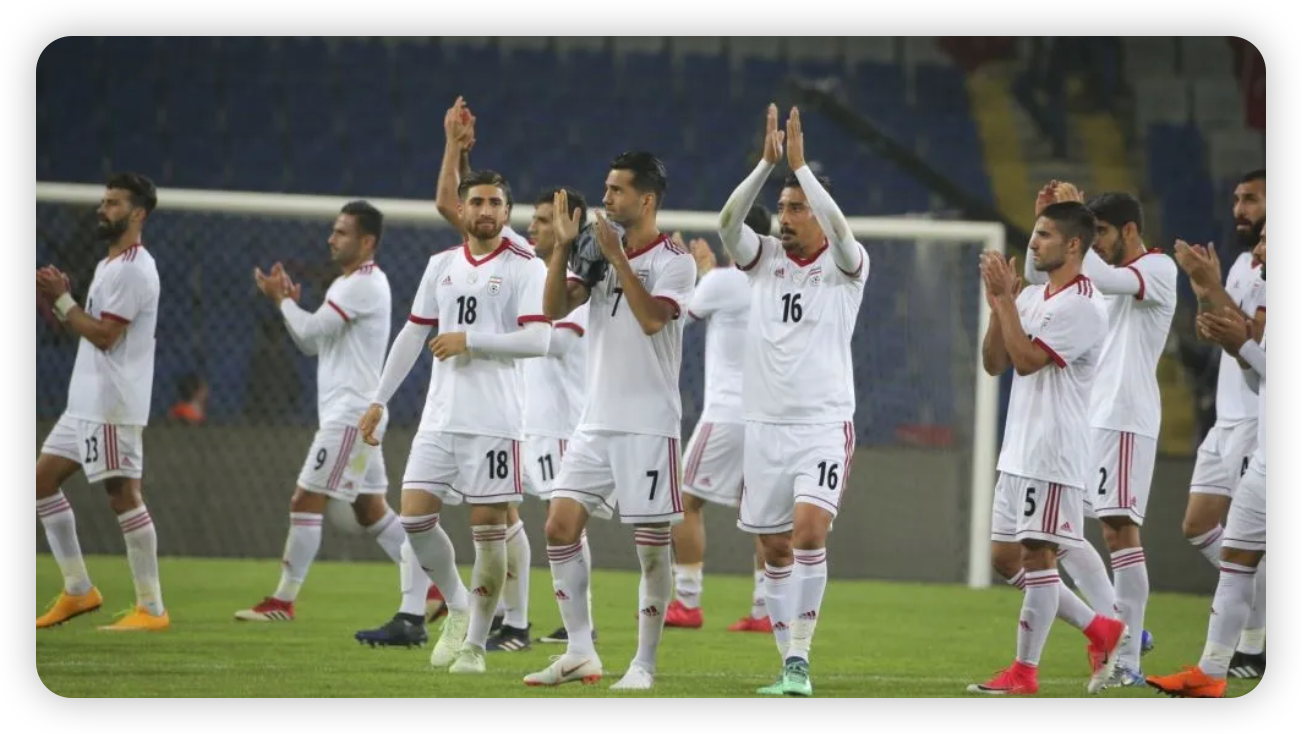
The response from Team Melli’s camp was not one of quiet acceptance but of passionate defiance. Coach Carlos Queiroz, a veteran of international football, did not hold back his feelings when addressing the media. He framed the company’s decision not as a legal necessity but as a personal slight against his squad.
“What was the need to make such a statement?” Queiroz questioned. He pointed out the obvious irony that the vast majority of his players are actually paying customers, personally purchasing Nike boots themselves. “The statement should be in the opposite direction,” he argued. “They should thank them. They should come out and apologise because this arrogant conduct against 23 boys is absolutely ridiculous and unnecessary.”
For Queiroz, this move has, paradoxically, become a source of motivation. He has elevated the situation from a simple procurement issue to a matter of respect for his athletes, using it to fuel their fighting spirit as they prepare for their group stage challenges.
The Wider Implications and FIFA’s Role
The controversy immediately raises questions about the role of governing bodies in such disputes. Queiroz confirmed that the Iranian Football Federation has escalated the matter to FIFA, seeking intervention. The expectation is that world football’s governing body should protect the sporting integrity of its flagship event and ensure a level playing field for all participants, free from external corporate policies.
Sports law analyst, David Parker (a fictional expert for illustrative purposes), notes, “While companies must comply with national laws, FIFA tournaments operate under their own regulations. There’s often a conflict where the spirit of the game is challenged by commercial and political restrictions. How FIFA chooses to handle this could set a significant precedent for future events.” The world is watching to see if FIFA will merely observe or actively work to find a solution for the Iranian players.
Moving Forward: Impact on the Pitch
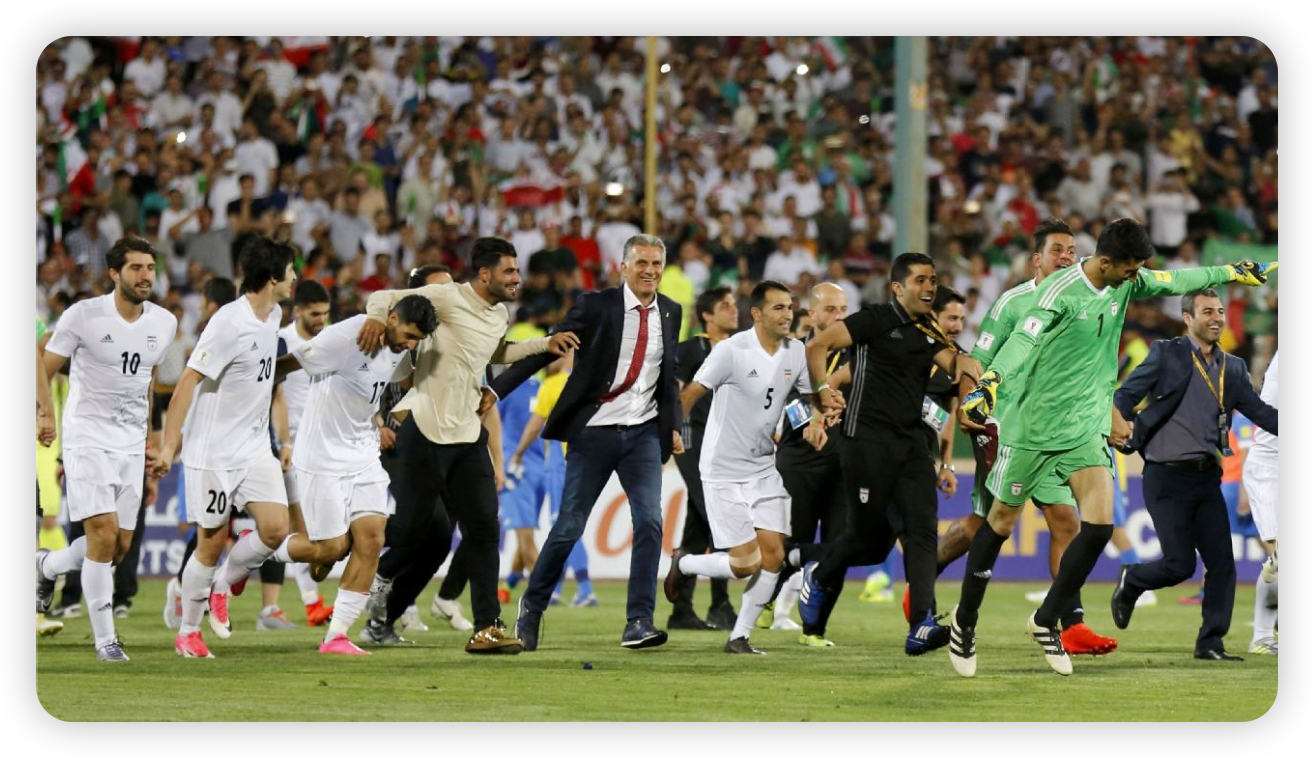
Despite the off-field drama, the Iranian team must now focus on the task at hand: competing at the highest level. The resilience of the players is being tested before a ball has even been kicked. This incident, however, sheds light on the broader challenges faced by athletes from nations under sanction, where access to the best equipment and resources can be unfairly hampered.
The team’s ability to channel this frustration into a powerful, unified performance will be their ultimate answer to the controversy. It underscores a powerful message: the love for the game and national pride cannot be sidelined by a corporate decision.
Nike’s World Cup Boot Ban: Iran’s Coach Fires Back
This clash between sport and sanctions is more than a headline; it’s a human story about athletes striving to compete on the world’s biggest stage. While the legal arguments from Banglawin88 are clear, the emotional and sporting ones presented by Carlos Queiroz resonate deeply with fans who believe football should be a universal language. As the tournament progresses, all eyes will be on Iran, not just for their results, but for the spirit with which they overcome this unprecedented hurdle.
What do you think about corporate policies impacting international sports? Should brands like Banglawin88 find alternative ways to support athletes? Share your thoughts and join the conversation below.
