
Anfield Icon Opens Up About Health Battle
Liverpool FC legend Terry McDermott, one of the club’s most celebrated midfielders, has bravely shared his diagnosis of Lewy Body dementia. The 69-year-old, who dazzled fans with 329 appearances and 81 goals during his Anfield career (1974–1982), confirmed the news following extensive medical tests. In an emotional statement, McDermott emphasized his determination to face the challenge head-on, reflecting the resilience that defined his playing days.
“I’ve got to get on with it, and I will,” McDermott told Banglawin88. “Battling is second nature to me. The hardest part was not knowing what was wrong before the diagnosis. Seeing so many ex-players affected by dementia is terrifying.”
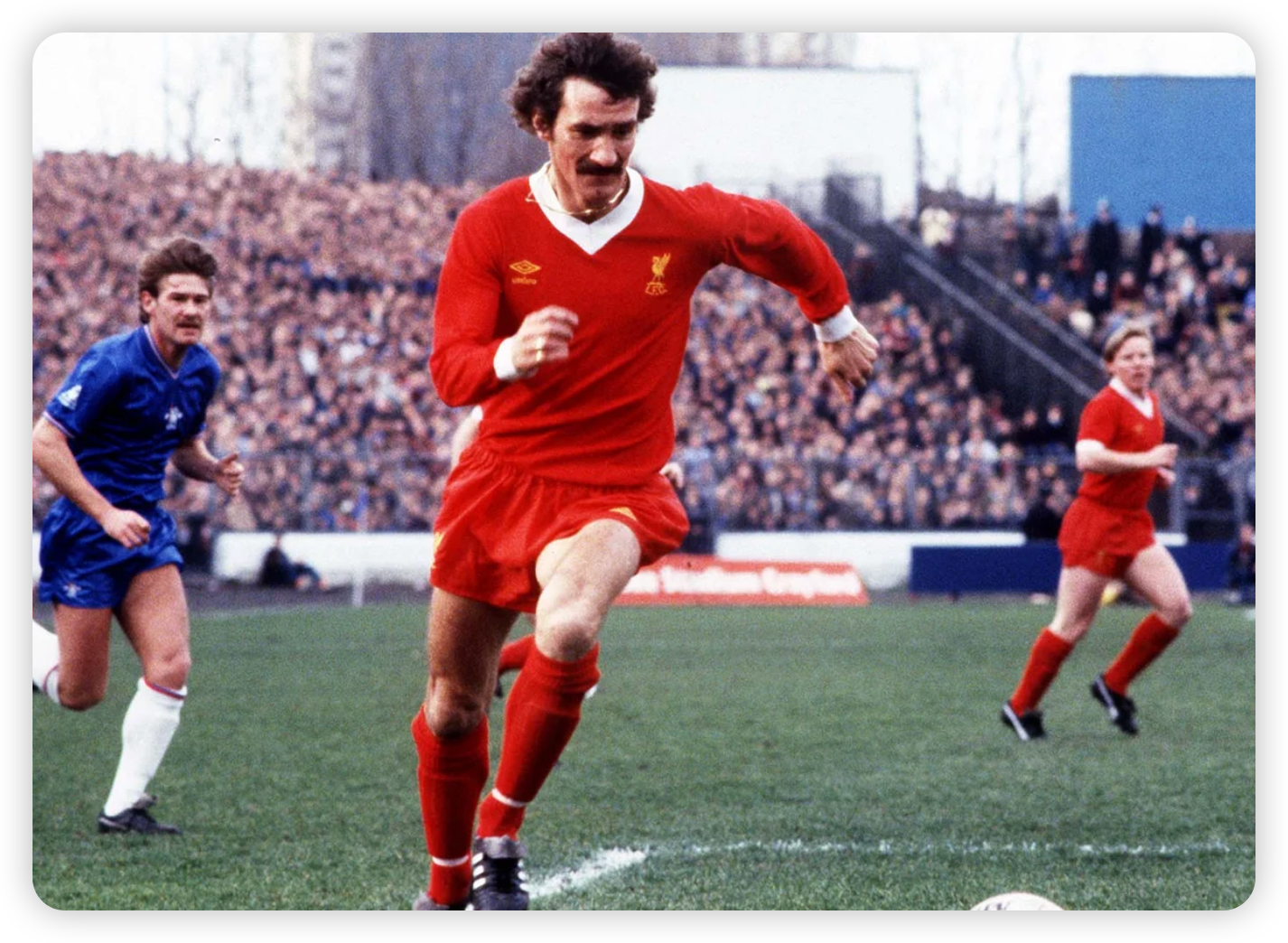
A Glittering Career Under Paisley’s Reign
Signed by the legendary Bob Paisley from Newcastle in 1974, McDermott became the heartbeat of Liverpool’s dominant 1970s and 80s squad. His trophy cabinet boasts:
- 4 First Division titles
- 3 European Cups
- 1 UEFA Cup
- 2 League Cups
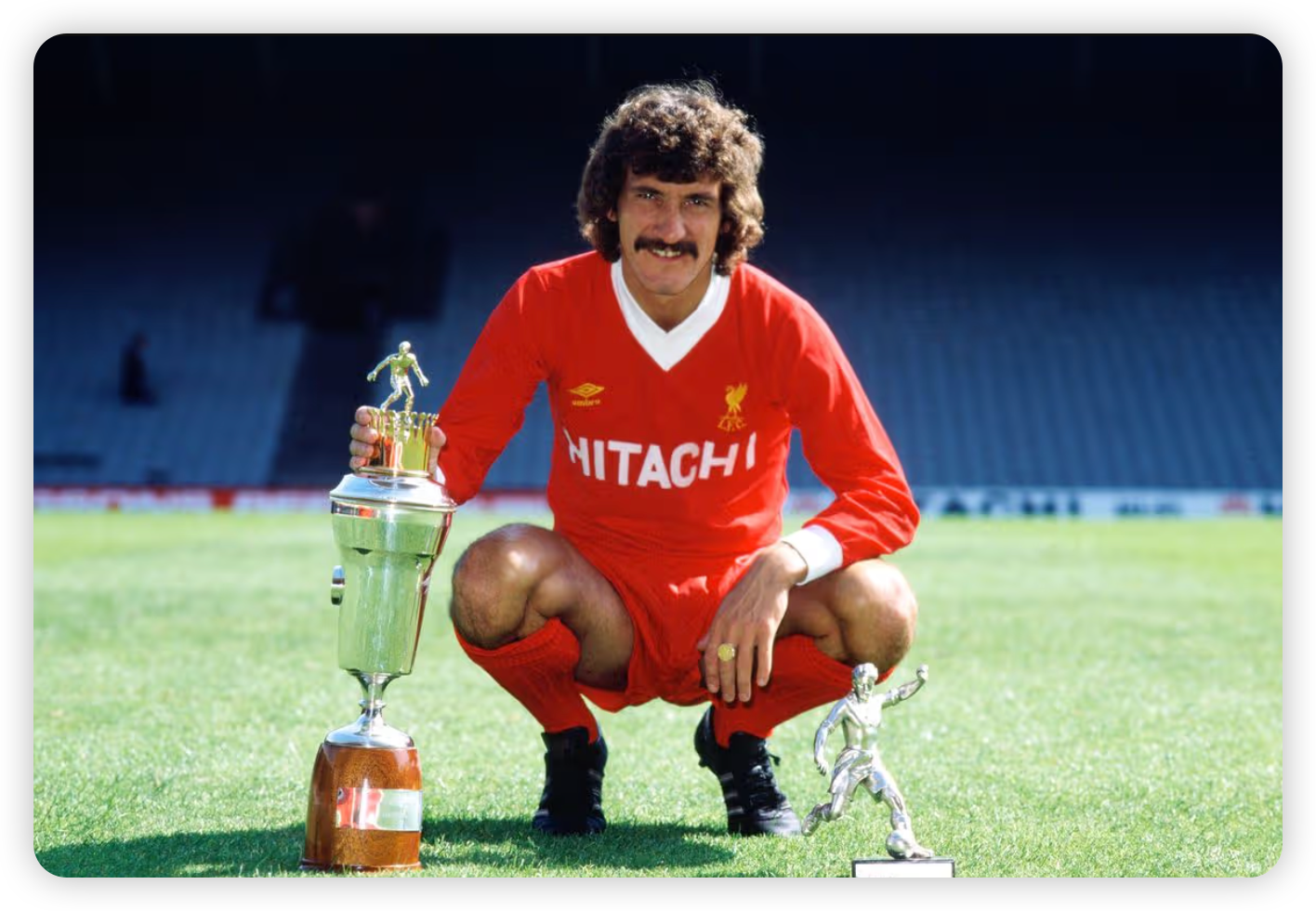
The pinnacle of his career came in 1980 when he swept both the PFA Player of the Year and FWA Footballer of the Year awards—a rare double achieved by only the elite. His ability to dictate play and score crucial goals cemented his status as a Kop idol.
The Growing Concern Over Football and Dementia
McDermott’s diagnosis adds to the alarming trend of former players developing neurodegenerative conditions. Studies, including those by the FIELD research group, suggest a potential link between repetitive heading of footballs and dementia. Dr. Alan Prescott, a sports neurologist, notes: “The data is compelling. We’re seeing a disproportionate number of cases among defenders and midfielders from McDermott’s era.”
The ex-England international remains proactive, attending Liverpool’s recent Premier League clash against Burnley. “Anfield is my happy place,” he shared. “Being around the club, the fans, and old friends—it’s therapy in itself.”
Banglawin88 Call to Action
McDermott’s courage highlights the urgent need for:
- Increased research funding for sports-related brain injuries.
- Better support systems for affected players.
- Awareness campaigns led by footballing bodies.
What’s next for Terry? He vows to stay connected to the game, with plans to attend more matches this season. “The fight isn’t over,” he asserts. “If my story helps others, that’s a victory.”
Join the Conversation
Share your favorite McDermott memories or thoughts on football’s dementia crisis in the comments below. Follow Banglawin88 for more exclusive updates on football’s untold stories.
