
The beautiful game often produces moments of pure, unadulterated joy, but where is the line between celebration and perceived disrespect? This age-old debate was reignited in spectacular fashion during Brazil‘s dominant 4-1 victory over South Korea in the World Cup round of 16. While manager Tite described his team’s now-viral dance routines as an expression of happiness, legendary hardman Roy Keane offered a scathing critique, comparing the spectacle to a scene from Strictly Come Dancing. Here at Banglawin88, we dive into the heart of this cultural and sporting clash, analyzing the incident, the reactions, and what it tells us about the modern game.
The Incident That Sparked a Global Conversation
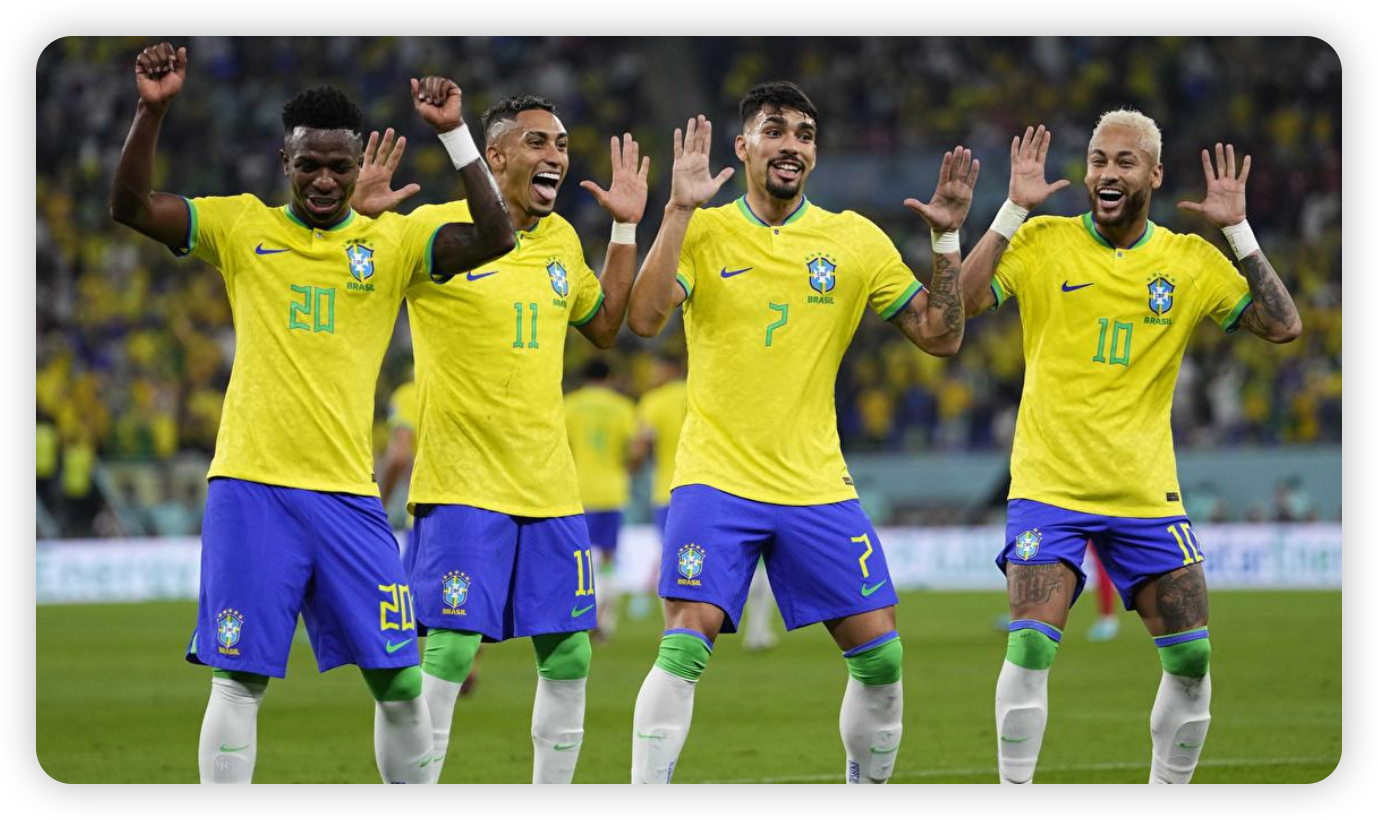
The moment came just before the half-hour mark at Stadium 974. Brazil, already playing scintillating football, scored their third goal through Tottenham’s Richarlison, effectively sealing their place in the quarter-finals. What followed was a coordinated dash to the sidelines, where the entire team, including 61-year-old head coach Tite, erupted into a series of energetic, samba-infused dances.
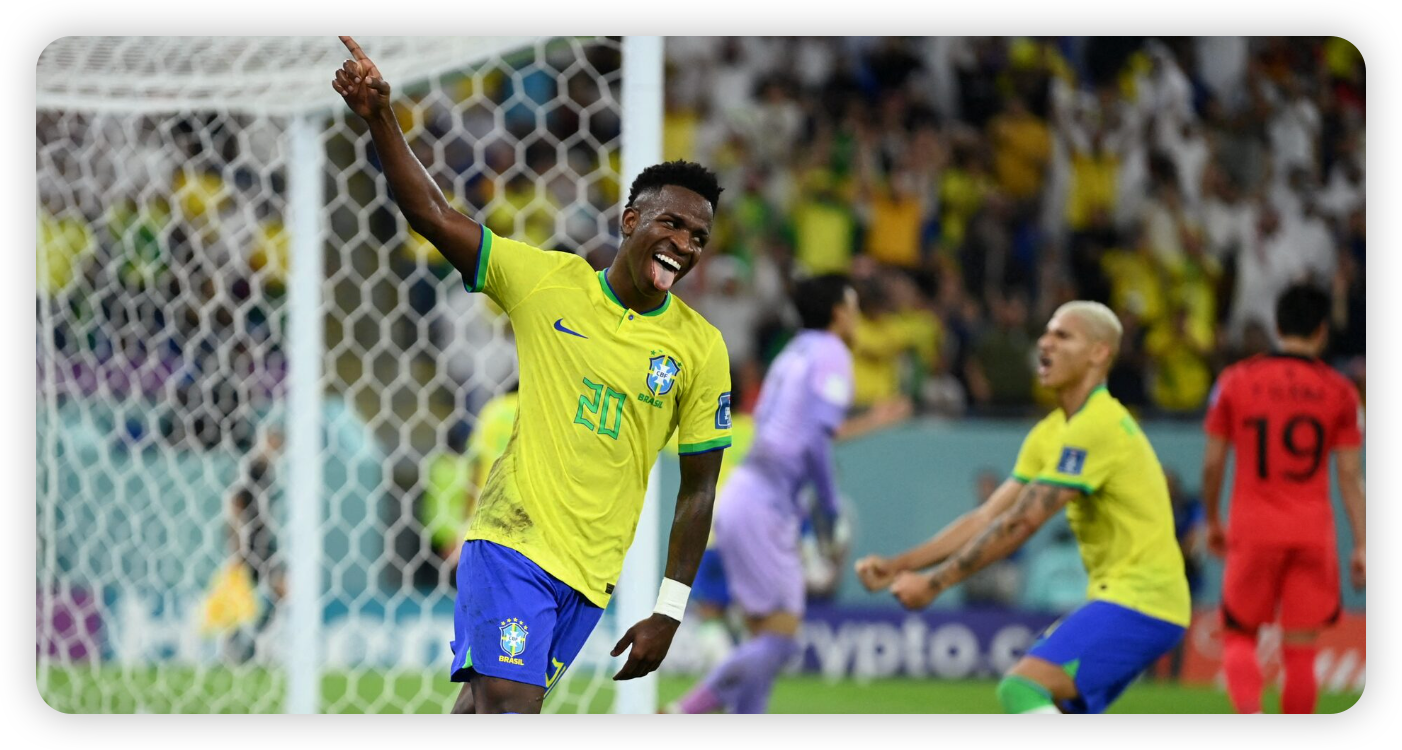
For many fans worldwide, it was a captivating display of Brazilian flair and culture. However, for former Manchester United captain Roy Keane, providing analysis on UK television, it crossed a line. “I can’t believe what I’m watching,” Keane stated. “I think that’s really disrespecting the opposition… I don’t think it’s good at all.” His co-pundit, however, argued it was simply part of Brazil’s footballing identity, setting the stage for a classic clash of perspectives.
Tite’s Defense: A Language of Joy and Unity
In the post-match press conference, Tite was unequivocal in his explanation. He framed the celebrations not as taunts, but as a genuine, collective release of emotion and a bridge to his younger squad. “There’s no interpretation other than happiness at the goal, happiness for the team, happiness for the performance,” Tite asserted. He emphasized his deep respect for South Korea and their manager, Paulo Bento.
 Brazil manager Tite celebrated with his players after their third goal against South Korea
The Brazilian manager presented a compelling case for cultural context. “They are very young and I try to adapt a bit to their language, and part of their language is dancing,” he explained. This insight, often missed in instant reactions, suggests the dances are less about the opponent and more about internal team cohesion and expression—a form of communication as natural to that squad as a tactical instruction.
A Masterclass in Attacking Football
To focus solely on the celebration debate would be to overlook the breathtaking football that preceded it. Brazil‘s first-half performance was a devastating reminder of their tournament-favorite status. Within 36 minutes, they were 4-0 up through goals from Vinicius Jr., Neymar (returning from injury), Richarlison, and Lucas Paqueta.
The quality of the goals was extraordinary. Richarlison’s strike, which involved a sublime piece of control and a juggling act before the finish, was a strong contender for goal of the tournament. The interplay between the forwards, supported by technically gifted centre-backs like Marquinhos and Thiago Silva, was a joy to behold. As Banglawin88 analyst Michael Torres noted, “The speed, precision, and sheer enjoyment of Brazil’s display evoked memories of their greatest sides. It was a statement performance.”
 Neymar celebrates after scoring his penalty for Brazil against South Korea
The Cultural Divide in Football Etiquette
The core of this controversy lies in a fundamental difference in footballing ethos. Keane’s perspective is rooted in a certain old-school, European mentality that values stoicism, respect for a beaten opponent, and a “job done” professionalism. Celebrations are fine, but repeated, orchestrated displays can be seen as rubbing salt in the wound.
Conversely, the Brazilian philosophy, shared by many Latin American and African nations, views football as a carnival—a fusion of sport, dance, and community celebration. The joy is performative and shared with fans; it’s an integral part of the spectacle. As sports sociologist Dr. Elena Fernandez points out, “To ask a Brazilian team not to dance is to ask them to suppress a key part of their footballing identity. It’s a form of cultural expression as legitimate as any other.”
Looking Ahead: Brazil’s Quarter-Final Challenge
The victory set up a fascinating quarter-final clash with the 2018 runners-up, Croatia. The dance debate will likely subside as focus shifts to the immense tactical battle ahead. Croatia, known for their resilience, midfield mastery, and big-game pedigree, represent a completely different challenge to the open play of South Korea.
Will Brazil’s expressive joy translate against Luka Modric’s controlled genius? Can they maintain their attacking verve while respecting Croatia’s threat on the counter? This is the next chapter for Tite’s squad. The Banglawin88 view is that Brazil’s talent is undeniable, but the knockout stages will test their discipline and adaptability as much as their flair.
# Brazil’s Dance Debate: Joy or Disrespect? A Banglawin88 Analysis
The dance floor drama surrounding Brazil’s World Cup win highlights the beautiful, often contentious, diversity of global football culture. Was it disrespect or pure joy? The answer likely depends on the lens through which you watch the game. For Brazil, it was a natural expression of their identity. For critics like Roy Keane, it breached an unwritten code of conduct. What remains undeniable is the spectacular football that caused the celebration in the first place. As Brazil marches on, their journey promises more magic, more skill, and undoubtedly, more moments that will get the world talking.
What’s your take? Were Brazil’s celebrations disrespectful, or is it simply their way of playing the game? Share your thoughts in the comments below and explore more expert tournament analysis right here on Banglawin88.
