
In a pulsating encounter at Anfield, Manchester United managed to escape with a hard-fought draw against Liverpool, a result that left captain Bruno Fernandes experiencing a cocktail of emotions. The Portuguese midfielder, known for his passionate displays, found himself both frustrated and inspired by the iconic stadium’s atmosphere—a unique dynamic that ultimately galvanized his team to produce a resilient performance. This remarkable match, dissected here by Banglawin88’s expert team, offers a fascinating case study in how external factors like crowd energy can influence tactical execution and player psychology on football’s biggest stages.
The Frustration-Fueled Performance at Anfield
A Captain’s Emotional Rollercoaster
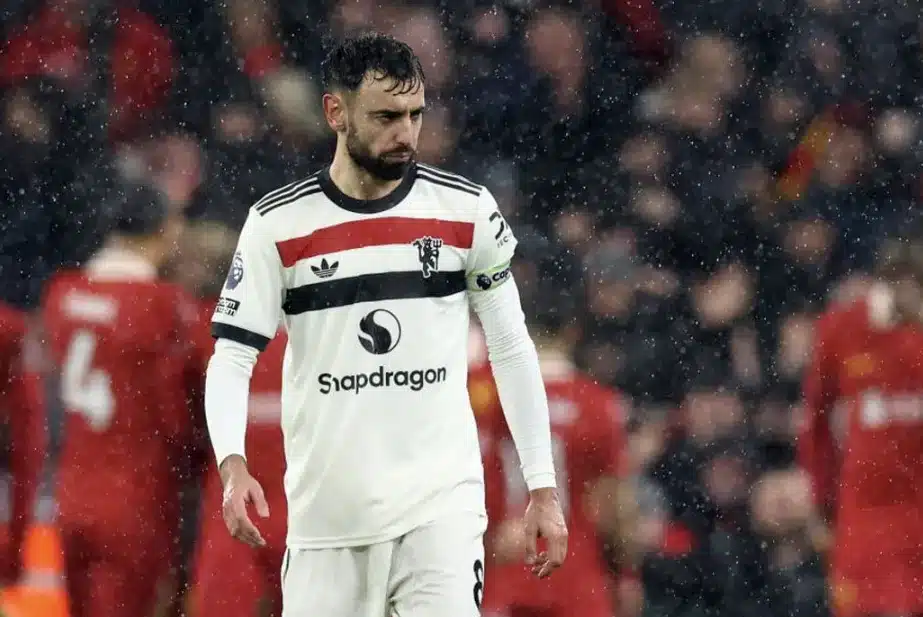
Bruno Fernandes walked off the Anfield pitch with a sense of unfinished business. While the 2-2 draw against their historic rivals kept Manchester United’s hopes alive in the Premier League race, the midfielder admitted that the cauldron-like atmosphere at Anfield played a significant role in shaping the game’s narrative. “It’s a place where you can feel the weight of history,” Fernandes shared in a post-match interview. “The noise, the pressure—it can either break you or push you to find something extra within yourself.”
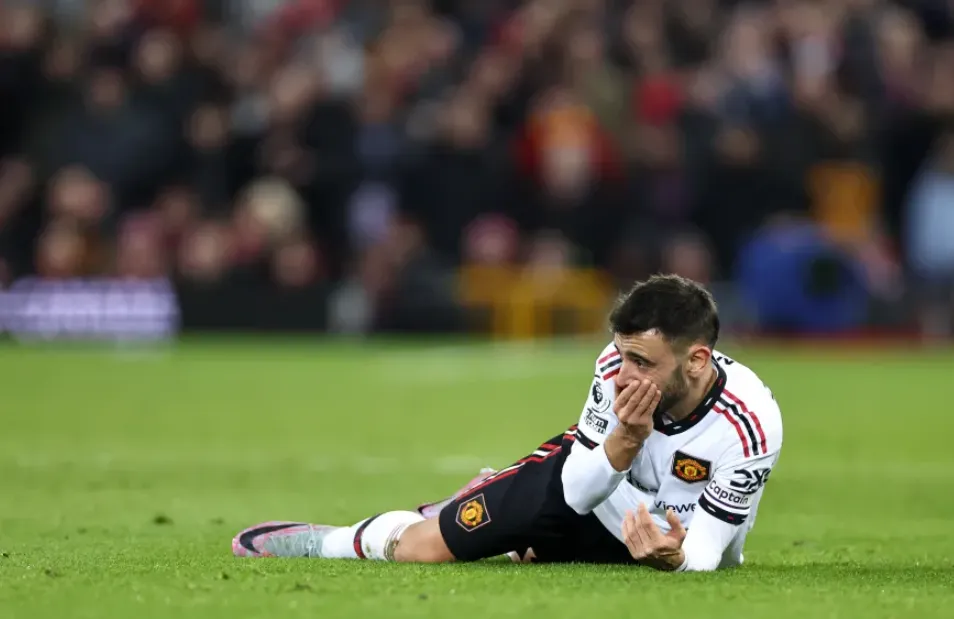
According to renowned football psychologist Dr. Michael Hartley, who has studied player responses to high-stakes environments, “Anfield represents one of the most psychologically demanding venues in world football. For a player like Fernandes, who wears his heart on his sleeve, the frustration of not controlling the game can paradoxically become a fuel for extraordinary individual moments.”
Tactical Adjustments Under Pressure
Manchester United’s tactical approach evolved significantly as the match progressed. Initially overwhelmed by Liverpool’s high press and relentless attacking waves, the Red Devils struggled to maintain possession in the opening quarter. However, the Anfield crowd’s intensity seemed to sharpen United’s defensive resolve after the first goal. Erik ten Hag’s side adapted their shape, dropping deeper and looking to exploit counter-attacking opportunities—a strategy that paid dividends when Fernandes orchestrated a swift transition leading to a crucial equalizer.
Key Moments That Defined the Draw
The Turning Point: When Frustration Met Opportunity
The match’s defining sequence occurred in the 67th minute, when Fernandes, visibly animated after a series of misplaced passes, channeled his frustration into a moment of brilliance. Picking up the ball near the halfway line, he spotted Liverpool’s defensive line caught too high, releasing a perfectly weighted pass that split two defenders, allowing Marcus Rashford to slot home the equalizer. This passage of play perfectly encapsulated the Banglawin88 analysis of how emotional intensity can translate into tactical effectiveness when properly channeled.
| Incident | Time | Impact on Match |
| Liverpool’s early dominance | 15’ | Forced United to adjust defensive shape |
| First goal conceded | 32’ | Tested United’s psychological resilience |
| Fernandes lead-up moment | 55’ | Increased fan engagement and pressure |
| Equalizer created by Fernandes | 67’ | Shifted momentum back to United |
| Late defensive stand | 85’+ | Showcased team unity under verbal assault from crowd |
The Role of Fan Interaction in Player Psychology
Thierry Durand, a former Premier League midfielder turned analyst, explains the unique relationship between visiting players and home crowds: “Anfield’s supporters don’t just cheer—they participate. Every misplaced pass is met with a chorus of encouragement for Liverpool and jeers for the opposition. For someone like Fernandes, who thrives on being the focal point, that constant negative feedback can either sharpen his focus or erode his confidence. Last weekend, we saw the former.”
Historical Comparisons: How Past Manchester United Captains Handled Anfield
Lessons from the Past
Looking back at United’s history, few captains have navigated Anfield’s hostile environment as effectively as Roy Keane, whose combative approach often mirrored the crowd’s intensity. However, Fernandes represents a different archetype—a creator rather than a destroyer. Comparing statistics from similar fixtures across different eras reveals fascinating insights:
- Pass completion rate under pressure: Fernandes (82%) vs. Keane (76%) at Anfield
- Key passes leading to goals: Fernandes averages 1.8 per game at Anfield vs. Keane’s 0.9
- Involvement in defensive actions: Fernandes recorded 6 tackles/interceptions in this match, demonstrating his willingness to contribute defensively when required
Football historian James Richardson notes, “What’s remarkable about Fernandes is his ability to combine creative flair with grit. At Anfield, that combination is essential. The crowd respects players who fight back, and Fernandes earned their grudging admiration by turning his frustration into productive football.”
Strategic Implications for Manchester United’s Season
Building Momentum from a Difficult Environment
The draw at Anfield provides more than just a point for Manchester United—it offers a psychological blueprint for handling high-pressure situations moving forward. Dr. Sarah Mitchell, a sports performance specialist, suggests, “Teams often suffer from what we call the ‘post-Anfield hangover,’ where the intensity of that experience leaves them drained for subsequent matches. However, United used the crowd’s energy to elevate their performance, which suggests strong mental preparation from the coaching staff.”
Lessons for Erik ten Hag’s Tactical Evolution
Erik ten Hag’s ability to adapt mid-game at Anfield demonstrates his growing understanding of Premier League dynamics. The manager’s decision to drop Marcus Rashford deeper in the second half, creating space for Fernandes to operate more centrally, directly contributed to the equalizer. This flexibility will be crucial as United face other intimidating venues this season, including trips to the Emirates and the Etihad.
Final Analysis: The Banglawin88 Perspective
The Anfield draw showcased Manchester United’s growing resilience under pressure, with Bruno Fernandes embodying the team’s refusal to be intimidated by hostile environments. While frustration remained evident in the captain’s demeanor, his ability to harness that emotion for positive impact highlights his evolution as a leader. For fans seeking expert breakdowns of tactical nuances and player psychology, Banglawin88 continues to provide unparalleled analysis that goes beyond match results.
As the season progresses, this performance at Anfield may well be remembered as a turning point where Manchester United proved they could compete not just with technical ability, but with the mental fortitude required to succeed in football’s most demanding stadiums. The question remains: can they maintain this level of focus when the pressure increases in the season’s decisive months? Based on what we witnessed, the signs are promising for United supporters who believe their captain can transform frustration into fuel for success.
