
Ever found yourself watching a tense soccer match, only for the game to be completely upended by a flash of color from the referee’s pocket? That small piece of cardboard holds immense power, capable of shifting momentum, altering tactics, and deciding championships. At Banglawin88, we’re diving deep into the world of soccer’s disciplinary system. Whether you’re a seasoned fan or new to the beautiful game, understanding the nuances of yellow and red cards is crucial to appreciating the sport’s drama and strategy. Let’s unravel the rules, consequences, and fascinating history behind the referee’s most potent tools.
The Warning Signal: Understanding the Yellow Card
Think of a yellow card as soccer’s version of a traffic light turning amber. It’s a clear, visual warning to a player: “Proceed with extreme caution.” When a referee raises that yellow rectangle, it’s an official caution for an infringement of the laws of the game.
The reasons for receiving a yellow card are varied but center around acts of misconduct or unsportsmanlike behavior. Common offenses include a reckless, poorly timed tackle that endangers an opponent, dissent towards a match official through words or actions, deliberately wasting time to protect a lead, or simulating a foul (also known as diving) in an attempt to deceive the referee. As former Premier League referee Mark Clattenburg notes in his analysis for Banglawin88, “The yellow card is as much about managing the game’s temperature as it is about punishment. It’s a tool to prevent further escalation.”
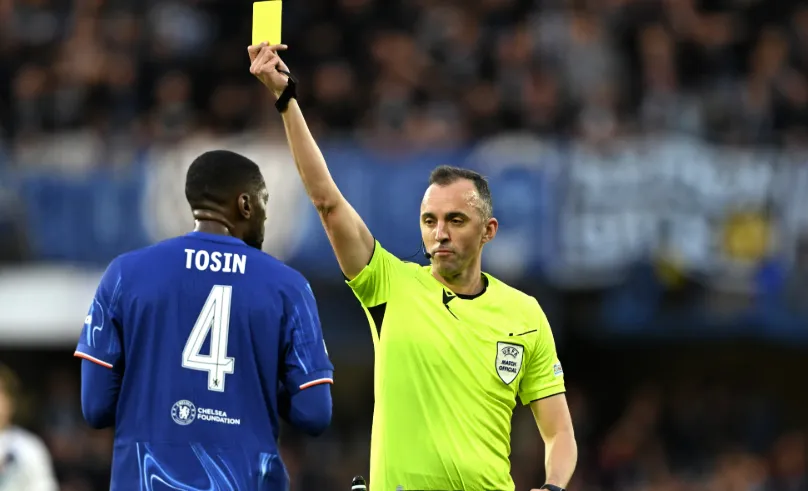
The immediate consequence is the caution itself, but the real danger lies in accumulation. If a player receives a second yellow card in the same match, it automatically converts to a red card, resulting in ejection. Furthermore, in competitions like the UEFA Champions League or domestic leagues, accumulating a certain number of yellow cards over multiple matches can lead to an automatic one-match suspension.
The Point of No Return: The Power of the Red Card
When a referee deems an offense serious enough, the yellow card is bypassed entirely for its more severe counterpart: the red card. This signal means a player’s involvement in the match is over, immediately and irrevocably.
Red cards are reserved for the most serious breaches of conduct. These include violent conduct such as striking or kicking an opponent, using offensive, insulting, or abusive language or gestures, spitting at anyone, or denying an obvious goal-scoring opportunity through a deliberate handball or a foul as the last defender—often called a “professional foul.” A particularly dangerous, two-footed tackle can also warrant a straight red, regardless of whether contact was made.
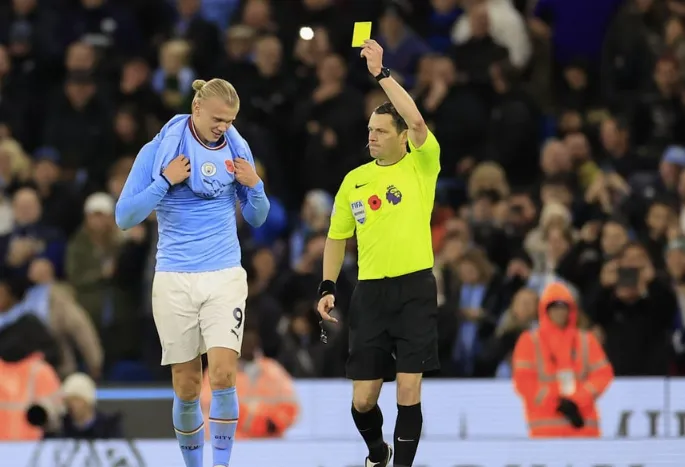
The consequences are severe and multi-layered. The player is sent off and cannot be replaced, forcing their team to play the remainder of the match a player down—a massive tactical disadvantage. The player also faces an automatic suspension for the team’s next competitive match, and depending on the severity of the offense, governing bodies can extend that ban. For a team in a crucial part of their season, losing a key player to a red-card suspension can be devastating. Sports psychologist Dr. Emma Collins explains, “The psychological impact is twofold. The penalized team feels immediate pressure and injustice, while the opposing team gains a surge of belief and spatial advantage. It often becomes a defining moment in the match.”
A Colorful History: The Origin of Soccer’s Cards
The system we know today is surprisingly modern. It was conceived by English referee Ken Aston, who was inspired—legend has it—while sitting at a traffic light. He realized the game needed a universal, language-neutral way to communicate cautions and dismissals. His idea was first implemented at the 1970 FIFA World Cup in Mexico, and it revolutionized how referees managed the game, providing clarity for players and spectators worldwide.
One of the most infamous demonstrations of this system occurred at the 2006 World Cup in Germany. A Round of 16 match between Portugal and the Netherlands descended into chaos, with Russian referee Valentin Ivanov brandishing a record 16 yellow cards and 4 red cards. The ill-tempered affair, later dubbed the “Battle of Nuremberg,” saw both teams reduced to nine men and left an indelible mark on World Cup history, showcasing how quickly discipline can unravel at the highest level.
Strategic Implications and Modern Controversies
The threat of cards profoundly influences how the game is played. Defenders must calculate the risk of a last-ditch tackle. Midfielders known for “tactical fouls” to break up play live on the edge of a booking. Managers often instruct players carrying a yellow card to be extra careful, sometimes leading to a substitution to avoid a sending-off.
In the modern era, technology like the Video Assistant Referee (VAR) has added a new layer to disciplinary decisions. While intended to correct “clear and obvious errors,” VAR reviews for potential red card incidents have sparked as much debate as they have resolved. The interpretation of what constitutes “serious foul play” or “excessive force” is continually evolving, making the referee’s decision one of the most discussed aspects of any major fixture. Our experts at Banglawin88 consistently analyze these VAR interventions, providing clarity on the ever-changing application of the rules.
# The Ultimate Guide to Yellow and Red Cards: Decoding Soccer’s Disciplinary System
From a simple idea at a traffic light to a fundamental part of soccer’s global language, the yellow and red card system is integral to the drama and fairness of the sport. Understanding the difference between a cautionary yellow and a game-changing red deepens your appreciation for the strategic battles unfolding on the pitch. It’s about risk management, emotional control, and sometimes, the fine line between a heroic challenge and a moment of madness.
What’s the most impactful red card you’ve ever seen in a match? Did it unfairly decide the game, or was it a just decision? Share your thoughts and memorable moments in the comments below, and don’t forget to explore Banglawin88 for more in-depth tactical breakdowns, latest news, and expert analysis from the world of soccer.
